Quick answer
A disaster season cash plan has three parts. Before the season, review insurance including business interruption cover, back up records off-site, build a cash buffer and arrange a line of credit while trading is normal. During an event, keep people safe and document damage. Afterwards, lodge claims quickly, check DisasterAssist for declared areas, and contact state agencies such as QRIDA or the NSW Rural Assistance Authority, using bridging finance while payments are processed.
Key points
- Arrange finance before the season — it's far harder to organise after a disaster
- Check business interruption cover, not just building and contents
- Keep records, photos of stock and equipment, and key documents backed up off-site
- DisasterAssist lists declared areas; QRIDA and the NSW RAA deliver state assistance
- Insurance and government help take time, so plan to bridge the gap
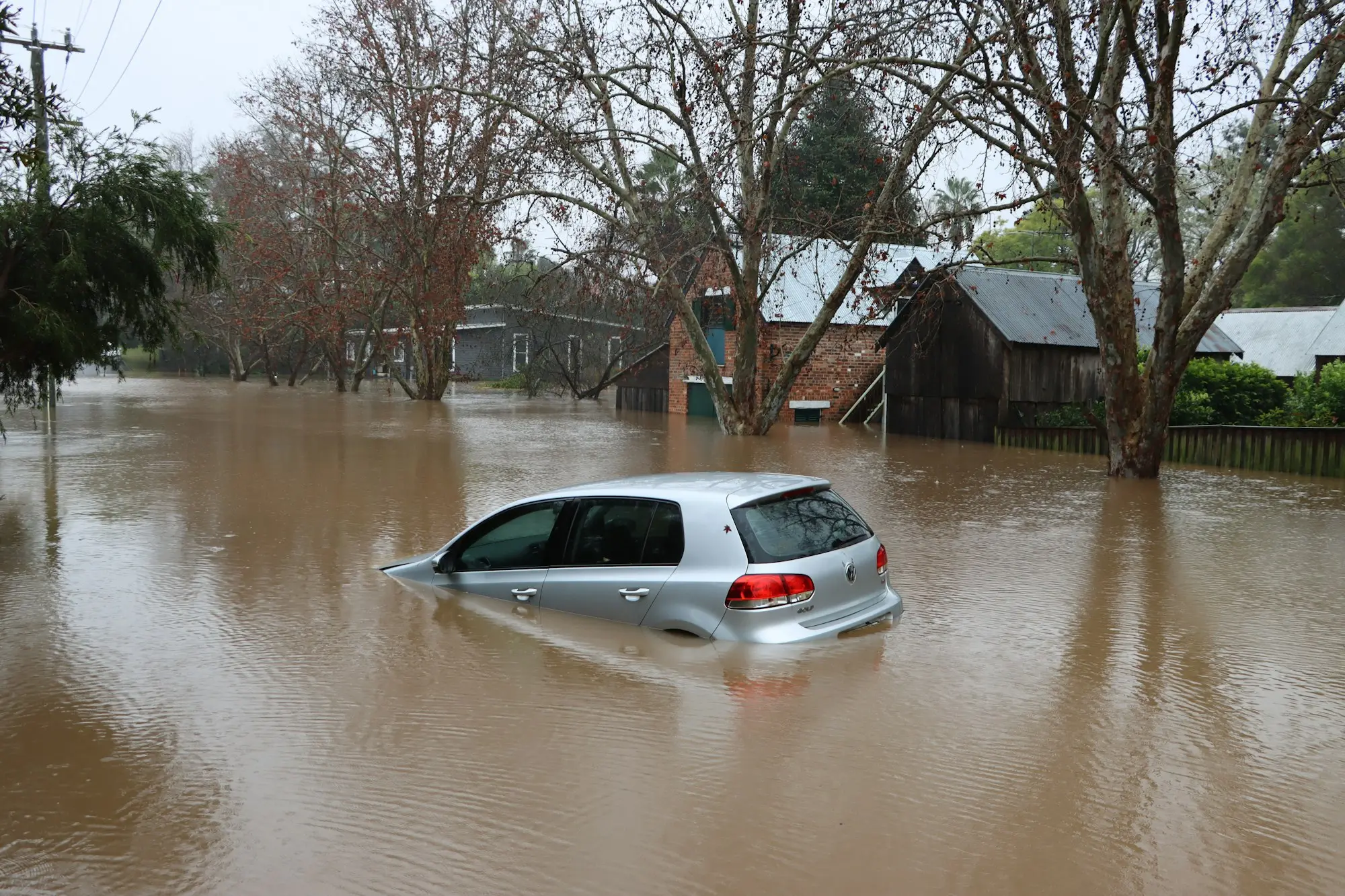
In regional Australia, disaster season isn’t a figure of speech. Cyclones in the north, floods along the east coast rivers, bushfires in the south and west, and storms almost everywhere. Every year, businesses that were trading perfectly well find themselves closed for days or weeks. The ones that bounce back fastest usually did three unglamorous things beforehand: checked their cover, protected their records, and lined up access to cash while things were calm.
Why does cash run out after a disaster?
The problem is timing. After a flood or storm, costs arrive immediately: clean-up, emergency repairs, replacement stock, wages for staff you want to keep. Meanwhile, income stops or slows, and help takes time:
- Insurance claims need assessment, and larger claims can take weeks or months to settle.
- Government assistance depends on a disaster declaration and an application process.
- Customers may be affected too, so payments slow down across the district.
A business with a buffer and an approved facility can keep paying staff and suppliers through that gap. One without can find itself making hard decisions very quickly.
There’s also a knock-on effect that’s easy to miss. Even businesses that escape direct damage can lose weeks of trade when roads close, power is out or tourists cancel. A café on high ground in a flooded town may be perfectly dry and still have no customers. Planning for disruption, not just damage, gives a much more realistic picture of how much cash you’d need.
Before the season: a preparation checklist
1. Review your insurance with your broker
- Are your building, contents and stock insured for current replacement values?
- Do you have business interruption cover, and what does it actually pay for, for how long, and after what waiting period?
- Does your policy cover flood as well as storm? The difference matters.
- Are equipment and vehicles covered at their locations, including on job sites?
- Do you understand the claims process and what evidence you’ll need?
Lenders require property used as security to be insured. In some flood and cyclone areas, cover is expensive or limited, which can also affect borrowing. Our North Queensland page covers this.
2. Protect your records
- Back up accounting files, customer and supplier lists, and key documents to the cloud or off-site.
- Keep digital copies of insurance policies, leases, loan agreements, licences and registrations.
- Photograph or video your premises, stock and equipment each season — it makes claims far easier.
- Keep staff contact details somewhere you can reach from your phone.
3. Build a buffer and line up finance
A cash buffer is ideal, but many small businesses can’t hold months of expenses aside. An approved line of credit that sits unused is the next best thing: with most facilities you pay interest only on what you draw (fees vary by lender), and it’s ready if you need it. Crucially, it’s far easier to arrange before a disaster, while your bank statements show normal trading and any property security is undamaged.
If you’re in a high-risk area and don’t have a facility in place, check what your business could qualify for well before the season starts.
4. Plan for stock, suppliers and staff
- Can you move stock to higher ground or another site quickly?
- Do you have alternative suppliers if roads close?
- Who on your team can work remotely, and what do they need?
- What will you tell customers, and how?
During an event
Safety first: people matter more than stock. Follow emergency service advice. When it’s safe:
- Photograph and video all damage before clean-up starts.
- Keep receipts for every emergency expense.
- Note dates and times of any closure.
- Contact your insurer as early as possible.
After the event: where to find help
Insurance
Lodge your claim quickly, with photos, receipts and your stock and equipment records. Ask your insurer about emergency payments or advances where the policy allows.
Declared disaster assistance
If your area is declared, DisasterAssist lists the affected local government areas and the federal help available. State agencies then deliver support for businesses and primary producers:
| State | Agency | Examples of support |
|---|---|---|
| Queensland | QRIDA | Disaster Assistance Loans, Disaster Assistance (Essential Working Capital) Loans, recovery grants for specific events |
| New South Wales | NSW Rural Assistance Authority | Natural disaster relief loans, grants and rebates for small businesses and primary producers |
| Tasmania | Business Tasmania | Emergency Support Services Tasmania |
| Other states | State recovery agencies | Announced for each event |
Business Queensland also lists small business recovery grants when they’re announced for particular events. Our government business loans guide explains how these programs usually work, and the grant application guide helps with the paperwork.
Tax and suppliers
If you’re struggling to meet tax deadlines because of a disaster, talk to your accountant and the ATO early about lodgement and payment timing. Talk to key suppliers and your landlord too — many will agree to short extensions if asked before a bill is overdue.
Bridging the gap with finance
Private finance doesn’t replace insurance or government help. It fills the gap while they’re processed. Common uses:
- Replacing essential equipment so you can start trading again.
- Restocking before insurance pays.
- Keeping staff on during the recovery.
- Repairs not covered, or covered only after a delay.
Unsecured and line-of-credit options for trading businesses typically run from $5,000 to $500,000, and property-secured loans from $20,000 to $5,000,000. If property security was damaged, lenders may need updated valuations, which is another reason to arrange facilities before the season.
Illustrative example: a Lismore-region hardware and farm supplies business keeps an approved line of credit through the wet season. When floodwater enters the shop, the owners use the facility to replace stock and hire extra staff for the clean-up, while the insurance claim and a state recovery grant are assessed. When the payments arrive, they pay the line of credit back down, ready for the next season.
Reopening: the first 30 days
Getting the doors open again is usually the priority, but the first month back is when cash is tightest. A few habits help:
- Prioritise what earns. Fix or replace the equipment and stock that bring money in first; cosmetic repairs can wait.
- Talk to customers. Let them know you’re open, what’s available and any changes to hours or service.
- Track every recovery cost separately. Insurers, government programs and your accountant will all ask for it.
- Keep an eye on staff. Recovery is exhausting, and your team may be dealing with damage at home too.
- Review the plan. Note what worked and what didn’t, and update your preparation checklist before next season.
A one-page plan to keep on the wall
- Insurance — policy numbers, broker contact, what’s covered.
- Records — where backups are, and who can access them.
- Cash — buffer amount, facility details, who can draw on it.
- People — staff contacts and a check-in plan.
- Stock and equipment — what moves, where to, and who does it.
- Help — DisasterAssist, your state agency, your accountant, your lender.
For region-specific detail, see our Darwin and Newcastle and Hunter pages.
Get ready before the weather turns
The best time to arrange a safety net is on a quiet, sunny day. Tell us your town, your business and what you’d need if the worst happened. It takes about 60 seconds, there’s no credit check, and your details stay with our team rather than being shared around a list of lenders. A real person calls to talk through a facility that suits your season. Please fill the form in accurately so we can match you properly the first time.
Frequently asked questions
When is disaster season in Australia?
It depends on where you are. The northern wet season, roughly November to April, brings cyclones and flooding; bushfire risk peaks at different times in each region, from late winter in the north to summer in the south-east. Many areas face storms and floods in the warmer months.
What is business interruption insurance?
Cover that can replace lost income and pay ongoing costs, such as wages and rent, while a business can't trade because of insured damage. It's separate from building and contents cover, and policies vary widely, so read the terms with your broker.
What help is available after a natural disaster?
After a declared event, DisasterAssist lists the affected local government areas and federal assistance. State agencies such as QRIDA in Queensland and the NSW Rural Assistance Authority deliver loans, grants and working capital support for eligible businesses and primary producers.
Can I get a business loan straight after a disaster?
It's possible, but harder. Lenders may need updated valuations of damaged property and evidence of insurance claims. Arranging a facility before the season, while the business is trading normally, is much easier.
What should I back up before the season?
Accounting files, customer and supplier lists, insurance policies, leases, loan documents, licences, staff contact details, and photos or video of your premises, stock and equipment. Store copies off-site or in the cloud.